
Tag: Communist Belgrade
-
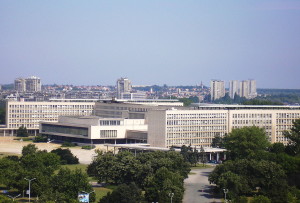
Palace of Serbia (SIV)
Built as the palace of the Federal Executive council of Yugoslavia, today it is home to several ministries and offices of the Serbian government. Perhaps even more interesting than it’s architectural features is it’s interior decoration, featuring halls dedicated to each of the republics of the former Yugoslavia, decorated according to the ethnic styles of
-
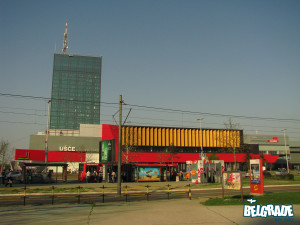
Ušće shopping & business center
The Ušće complex is made of Ušće tower, the tallest building in Belgrade, and Ušće shopping mall, the biggest mall in Serbia. While the mall is relatively new, the tower is part of Belgrade’s interesting and turbulent history. The complex is located in the Ušće park in Novi Beograd, across Brankov bridge from the city
-
Dom Sindikata
Dom Sindikata (House of the Syndicate) is a multipurpose venue housing a theatre, a cinema, conference hall, a large lobby for indoor fairs. Fun Fact: The largest organs in Belgrade are located in Dom Sindikata.
-
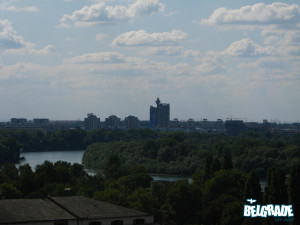
Novi Beograd district
Also known as: New Belgrade, NBG Why visit: Architecture, Bike paths, Novi Beograd is the most populated municipality in Belgrade, on the western bank of the Sava river, which connects old Belgrade and Zemun. Until the fifties of the 20th century, Novi Beograd was no more than a wetland with a few surrounding villages. Today
-

Kafana Pavle Korčagin
Also known as: Korčagin Address: Ćirila i Metodija 2a Phone: 011 24 01 980 E-mail: kafanakorcagin@gmail.com Korčagin is a unique kafana (tavern) in Belgrade, with a strong Yugoslav communist theme that pays tribute to the leader of communist Yugoslavia – Josip Broz Tito. Because of it’s interesting and nostalgic features and items, each telling a
-
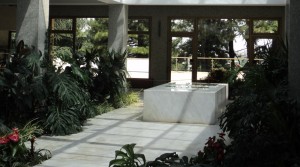
Tito mausoleum and History Museum of Yugoslavia
Also known as: 25 Maj (25th. May), Kuća Cveća (House of Flowers), Muzej Istorije Jugoslavije (History Museum of Yugoslavia) Why visit: History of Yugoslavia, tomb of Josip Broz Tito, Display of his treasures, interesting collections Besides Tito’s grave, a pilgrimage destination for all “Yugonostalgic” crowds, the museum showcases Tito’s presents, personal objects, as well as many