
Category: History
Discover important places, buildings and people from the history of Belgrade.
EXPLORE BY SECTION
Prehistoric Belgrade Roman Belgrade Medieval Belgrade Turkish Belgrade Communist Belgrade
-

Vuk and Dositej Museum
Vuk Karadžić Vuk was a reformer of the Serbian language, creator of the first modern Serbian dictionaries, collector of national folklore and poetry. Vuk’s legacy was donated to the National Museum by his daughter and famous painter Mina (Wilhelmina) Karadžić. It was first exhibited at the National Museum as a part of the Memorial Room
-

Gallery of Frescoes
Don’t let the name fool you, the Gallery of Frescoes is actually a museum of Serbian medieval visual arts. Beside frescoes, the gallery features scale models of the most important Serbian medieval monasteries, replicas of their portals, ornaments and artifacts, and often holding expositions and multimedia presentations about medieval art. The Gallery of Frescoes is
-
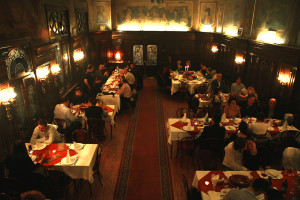
Dva jelena restaurant
It has been a second home and inspiration to many of the prominent artists, poets, actors, politicians, even leaders of many states. Here you can enjoy the best treats of Serbian cuisine, a pleasant atmosphere and live “starogradska” (old town) music, as well as traditional domestic wines and rakija. The restaurant consists of three halls
-
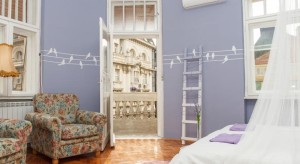
Hostel Yolostel
Set in a historic building, in Belgrade, Hostel Yolostel features a shared lounge area and common kitchen, where guests can cook their own meals. Each room, decorated with it’s unique color, comes with custom-made furniture. Several shops and cafes can be found in the immediate surroundings. Kalemegdan Fortress is a few steps away, while the Bohemian street Skadarlija is within a 15-minute
-

Niš
Niš is a big city with a unique charm of a small town, the third largest city in Serbia, birthplace of Constantine the Great, and a must for history buffs. It is also a great base to meet southern and eastern Serbia. During Roman times, the city flourished, and many monuments from this era remain
-

Kafana ? (Question Mark)
The Question mark kafana is the oldest kafana (traditional restaurant) in Belgrade. It is a small charming house built in the traditional Balkan style at the beginning of the 19th century, across the street from the cathedral. Though it is a bit touristy, it is worth visiting for the delicious Serbian meals, the cozy atmosphere
-
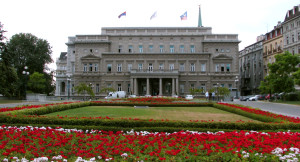
The Old and New palace in Belgrade (City assembly and presidential palace)
The old and new palaces (Stari Dvor and Novi Dvor) are located in downtown Belgrade, in the Kralja Milana street, surrounded by Pionirski (Pioneers) Park, in front of the National Assembly. The first one was built in the second half of the nineteenth century as a royal palace of the Obrenović dynasty, and the second
-
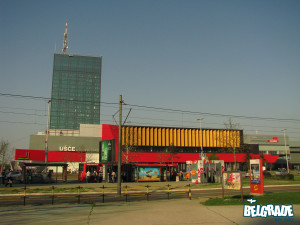
Ušće shopping & business center
The Ušće complex is made of Ušće tower, the tallest building in Belgrade, and Ušće shopping mall, the biggest mall in Serbia. While the mall is relatively new, the tower is part of Belgrade’s interesting and turbulent history. The complex is located in the Ušće park in Novi Beograd, across Brankov bridge from the city
-
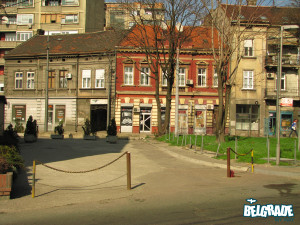
Savamala, the new cultural and clubbing destination
Savamala is a resurrecting elite neighborhood in the heart of Belgrade and the center of the capital’s cultural life, home to several new art galleries and cultural centers. It is one of the oldest neighborhoods in the city, showcasing spectacular architectural jewels, such as the Geozavod building, the Bristol hotel, Brankov bridge, as well as
-
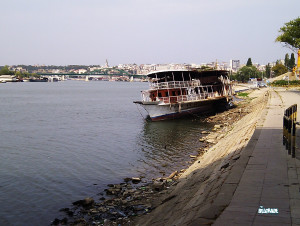
The lost ships quay self-guided tour
Update (2015.): The ships have been removed due to the preparation of the project Belgrade Waterfront. The mine sweeping boat SIP is being reconstructed and it will be converted into a fusion of nautical museum and culture/sports facility. Steamboat Župa has been moved upstream (near Belgrade Fair), and Dragor remains beside Gazela bridge. More about
-
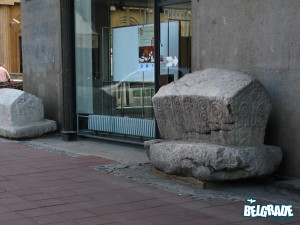
Ethnographic museum
Why visit: One of the few places where you can actually get in touch with genuine Serbian culture, forgotten traditions and the incredibly rich mythology of the region. Located on the Students’ square, the ethnographic museum can give you a feel of what the homes looked like until the past century, the clothes people wore,
-
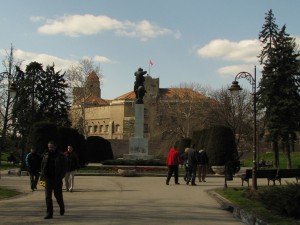
Military Museum
The Military Museum is one of Belgrade’s most famous museums, located in the middle of Kalemegdan Park and Belgrade Fortress. The outdoor part of the museum is free to access and is composed of tanks, cannons, war trucks, boats and even a submarine, while the indoor gallery showcases the entire military (and related) history of
-
Vinča archaeological site
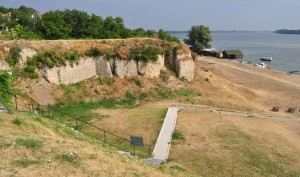
Vinča (Belo brdo) is an archaeological site from the early neolithic period, that gave name to the culture that inhabited the Balkan peninsula and part of Central Europe since the 5.th millennium BC. It is located near Vinča town on the eastern outskirts of Belgrade, on the Danube river. This civilization relied mostly on fishing,
-
Main (Glavna) train station
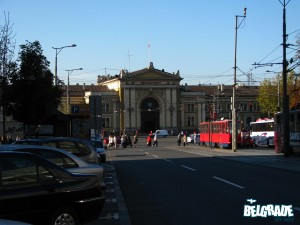
Also known as: (Glavna) Železnička stanica Why visit: Architecture Belgrade’s Main Train station is one of the city’s most impressive historical buildings, constructed between 1882 and 1885, modeled after the great European train station buildings. The first train departed from the station on August 23, 1884, connecting Belgrade and Niš. It is currently the largest
-
Kosančićev Venac
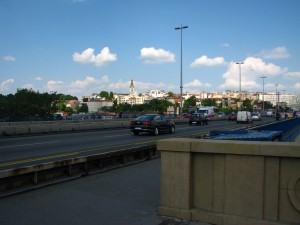
Kosančićev venac is a jewel hidden in the heart of the city, definitely worth visiting, though many Belgraders wouldn’t remember it if you ask them what should you see. It is a historical neighborhood in Downtown Belgrade, part of the Savamala district. It spans from Kalemegdan park to Brankova street, and from the Cathedral to